Key takeaways
The 30 second version
- B2B PPC needs a different approach from B2C, with more considered buying journeys.
- Start by choosing the right advertising platforms for B2B.
- Define and target your ideal audience before writing your ads.
- Set up proper conversion tracking so you can measure and optimise your campaigns.
Targeting the right audience is the foundation of any successful B2B search marketing campaign. Unlike B2C advertising, where impulse purchases are common, B2B paid search strategy requires a more refined and strategic approach.
With longer sales cycles, niche markets, and multiple decision-makers involved, reaching the right people at the right time is essential for generating high-quality leads.
But where do you start?
In this guide, we’ll walk you through the steps to effectively target your B2B audience via PPC (Pay-Per-Click) advertising. From selecting the best platforms to crafting the perfect ad copy, we’ll provide actionable insights to help you optimise your B2B paid search strategy for maximum ROI.
B2B vs B2C
Why B2B PPC Audience Targeting is Different from B2C
Before diving into the ‘how’, it’s important to understand the fundamental differences between B2B search marketing and B2C PPC campaigns.
1. Longer Sales Cycles
B2B purchases take time. Decision-makers conduct extensive research, compare solutions, and often need internal approvals before making a purchase. Your PPC strategy must focus on lead generation rather than immediate conversions.
2. Multiple Decision-Makers
Unlike B2C, where an individual makes the purchase, B2B sales involve multiple stakeholders, such as managers, procurement teams, and executives. Your ads must address the pain points of different decision-makers.
3. Niche & Specific Keywords
B2B buyers search using industry-specific terms, often with long-tail keywords. Your keyword strategy must reflect the language used by your ideal customers to ensure relevant traffic.
Platforms
Choosing the Right PPC Platforms for B2B
The first step in targeting your desired audience is the selection of the right advertising platform. Let’s explore the top choices for B2B paid search strategy.
1. Google Ads
Google Ads is the most effective platform for B2B search marketing due to its high intent audience. There are a few options for you to incorporate into your strategy:
Search Ads
Appear when users actively look for a solution, making them high-converting
Display Ads
Used for brand awareness by targeting specific websites or topics
YouTube Ads
Engage decision-makers with educational or explainer videos
Google Shopping
For businesses that sell B2B products online
2. LinkedIn Ads
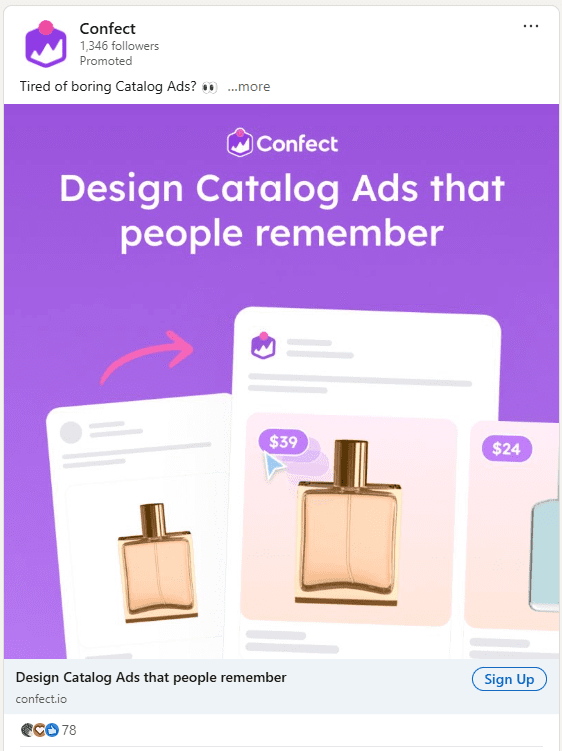
LinkedIn is the go-to platform for reaching professionals. When combined with the right ad visual and copy, it can be extremely effective in generating leads. You can use it for:
Job Title & Industry Targeting
Allows you to target specific roles, making it ideal for B2B lead generation.
InMail Ads
Sends direct messages to potential leads, increasing engagement.
Company Size Targeting
Ideal for targeting SMEs or enterprise-level businesses
3. Meta Ads (Facebook & Instagram)
While primarily a B2C platform, Facebook and Instagram can work for B2B search marketing if used strategically.
Retargeting
Re-engage website visitors who didn’t convert
Interest-Based Targeting
Find professionals based on job titles and industry interests
Lookalike Audiences
Reach users similar to your existing customers
4. Microsoft Advertising (Bing Ads)
A smaller but often overlooked platform, Bing Ads can be beneficial for targeting enterprise businesses, especially those using Microsoft products.
Top tip: The best approach can often be through using a range of platforms for different stages of the funnel. For example, set up Ads on LinkedIn for outreach using job titles/industries etc. Then remarket to them across Google Display, testing multiple landing pages to drive them down the funnel to conversion.
Your audience
How to Identify & Target Your Ideal B2B Audience

Once you’ve chosen the right platform (or platforms), the next step is defining and targeting your ideal audience.
1. Define Your Buyer Personas
Your audience is not just “businesses”; it’s specific roles within those businesses. Consider:
- Who are the decision-makers? (e.g., CEOs, Marketing Directors, IT Managers)
- What industries do they work in?
- What pain points do they have?
- What solutions are they searching for?
2. Conduct Keyword Research
Finding the right keywords is critical for your B2B paid search strategy. Use tools like:
Google Keyword Planner
For high-intent search terms
SEMRush or Ahrefs
For competitor research
Long-tail keywords
To target niche queries (e.g., “enterprise accounting software UK” instead of just “accounting software”)
3. Utilise Customer Match & Remarketing
Customer Match
Upload your existing email list to platforms like Google Ads and LinkedIn to serve ads to known contacts
Remarketing
Retarget website visitors with follow-up ads to nurture leads down the sales funnel
Look-a-likes
If you’re using Meta for your ads, introduce look-a-like audiences using customer lists
Ads
Crafting High-Converting B2B PPC Ads
Once you’ve got your channels and you’ve got your target audience ready, it’s now time to create your ads.
To make sure you’re using your ad spend wisely, there are a few guidelines to incorporate into your strategy:
1. Write Clear & Concise Ad Copy
Address a Specific Problem
Focus on pain points your audience faces
Use Industry Language
Speak in terms your target audience understands
Highlight Benefits, Not Just Features
Show how your solution makes their job easier
Test Non-Conventional Ad Copy
Often B2B customers are dialed into professional mode - ad copy that is cheeky, funny or otherwise unexpected can help you stand out from the crowd
2. Optimise Calls-to-Action (CTAs)
Unlike B2C, where CTAs like “Buy Now” work well, B2B ads should use:
“Request a Demo”
“Download Our Free Guide”
“Talk to an Expert”
3. Create Dedicated Landing Pages
- Ensure landing pages match the ad message
- Keep the design simple with a clear value proposition
- Include lead forms to capture emails for follow-ups
- Include social proof like Awards, Reviews, Accreditations to increase your chances of conversion.
Not sure where to start?
We help B2B and D2C businesses choose, build and grow the right ecommerce platform.
Tracking
Tracking & Optimising Your B2B PPC Campaigns
Before you launch, there are three final things to consider in order to produce the most effective B2B PPC campaigns:
1. Set Up Proper Conversion Tracking
Effective tracking ensures you can measure the success of your campaigns and make data-driven decisions. Here’s what you should track:
Form submissions
Essential for lead generation; track all completed contact or inquiry forms.
Whitepaper downloads
Helps gauge interest in your industry knowledge and solutions.
Demo requests
High-intent actions that indicate serious potential customers.
Phone call tracking
If your business relies on direct calls, implement call tracking software to measure call conversions.
Event tracking
Use Google Analytics or your preferred analytics tool to track interactions like button clicks, video views, and micro-conversions.
UTM Parameters
Append UTM tags to your PPC URLs to accurately track the source of your leads in Google Analytics.
CRM Integration
Sync PPC conversion data with your CRM to understand how leads progress through the sales funnel.
2. A/B Test Ads & Landing Pages
Testing is crucial for continuous improvement. To optimise your PPC campaigns, follow these A/B testing best practices:
Test One Variable at a Time
Change only one element at a time (headline, CTA, image, etc.) to identify what influences performance
Experiment with Different Ad Formats
Try variations in text ads, image-based ads, and video ads to determine what resonates best with your audience
Optimise Landing Page Layouts
Test different layouts, form lengths, and CTA placements to find the highest-converting design
Analyse Data & Iterate
Regularly review test results and implement changes based on performance insights
3. Review Key Metrics
Click-Through Rate (CTR)
Measures how many people click on your ad after seeing it. A low CTR may indicate poor ad relevance or ineffective messaging
Cost Per Acquisition (CPA)
Determines how much it costs to acquire a customer. Lowering CPA while maintaining quality leads is a key goal
Conversion Rate
Assesses the effectiveness of your landing pages by measuring the percentage of visitors who complete the desired action (e.g., filling out a form, downloading a guide, requesting a demo)
Return on Ad Spend (ROAS)
Evaluates the revenue generated compared to the amount spent on ads
Bounce Rate
Indicates the percentage of visitors who leave without engaging, highlighting potential issues with your landing page experience
FAQs
FAQs About How to Target B2B Customers with PPC
What is the best PPC platform for B2B?
Google Ads and LinkedIn are the best platforms for targeting B2B audiences due to their precise targeting options and high-intent users.
What type of keywords work best for B2B PPC?
Long-tail, industry-specific keywords perform best as they align with how professionals search for solutions.
Should B2B PPC campaigns focus on immediate conversions?
Not necessarily. Since B2B sales cycles are longer, campaigns should focus on lead generation and nurturing prospects through remarketing and email follow-ups.
How can I reduce wasted ad spend on B2B PPC?
- Use negative keywords to filter out irrelevant traffic
- Focus on high-intent keywords
- Optimise ad targeting with job titles and industry filters
How important are landing pages for B2B PPC?
Landing pages are critical. A well-optimised page improves conversion rates by delivering relevant, targeted messaging that matches your PPC ad.
Next steps
Next steps
A successful B2B paid search strategy starts with defining your audience, choosing the right PPC platforms, and crafting targeted ad campaigns that align with the buyer’s journey.
By using precise targeting, compelling ad copy, and continuous optimisation, your B2B search marketing efforts will generate high-quality leads and drive meaningful results.
Ready to improve your B2B PPC campaigns? Get in touch with the Fluid Commerce PPC team here, or request a complimentary PPC audit.
Planning an ecommerce project?
Talk it through with a team that works with B2B and D2C brands on Magento, Adobe Commerce and Shopify.
Book a discovery call