
In the fast-paced world of digital marketing, pay-per-click (PPC) advertising continues to evolve as one of the most effective strategies for business-to-business (B2B) ecommerce companies.
In 2025, the landscape of B2B PPC has shifted dramatically, driven by technological advancements, changing customer expectations, and emerging trends.
This blog post will guide you through the essentials of B2B PPC in 2025 and how your ecommerce business can stay ahead of the competition.
We’ll cover actionable strategies, key trends, and frequently asked questions to help you make the most of your B2B PPC campaigns.
What Is B2B PPC and Why Does It Matter?
Understanding B2B PPC
B2B PPC is a digital marketing strategy that allows businesses to target other businesses through paid advertisements.
Unlike traditional consumer-focused campaigns, B2B PPC campaigns cater to niche audiences, such as wholesalers, distributors, and corporate buyers.
Ads are typically displayed on platforms like Google, LinkedIn and YouTube and can be tailored (depending on the channel) to factors such as job titles, industries, and B2B relevant search queries.
Why B2B PPC Is Crucial
B2B PPC provides several key advantages for suppliers, wholesalers, manufacturers and distributors:
- Precise Targeting: Reach specific decision-makers or companies and keywords
- A/B testing: Experiment with different messages and USPs that don’t come across as easily though organic activity
- Speed to Market: Quickly launch and test new products or services
- Higher Conversion Rates: PPC traffic is 35% more likely to convert than organic traffic
With 90% of B2B buyers starting their purchasing journey with an online search, PPC is a powerful tool to drive visibility and sales.
Key Trends in B2B PPC for 2025
1. Delivering a B2C Experience
In 2025, your typical B2B customer is well-versed in using B2C websites for their online shopping. Due to this, their expectations for an optimised user-experience are high.
The landing pages you direct your PPC traffic to should deliver this experience – otherwise your PPC efforts will go to waste.
2. Advanced LinkedIn Ads
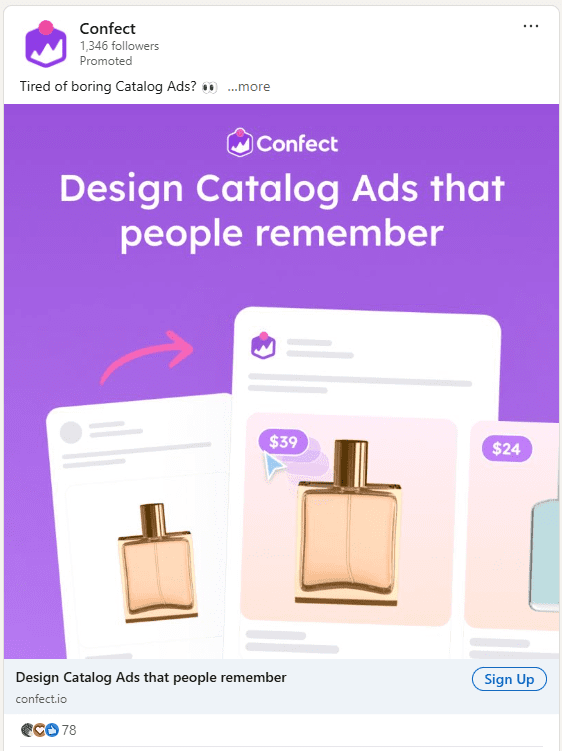
LinkedIn is a cornerstone of B2B marketing, and in 2025, it’s set to offer even more robust tools.
Features like enhanced audience segmentation, interactive ad formats, and integrations with tools like Sales Navigator will allow businesses to target key decision-makers with precision.
Actionable Tip:
Use LinkedIn’s targeting tools to create ads tailored to job titles and industries. Pair these campaigns with insightful content to drive engagement.
3. Video and Visual Advertising
Short-form videos and shoppable videos are dominating the PPC space. Platforms like YouTube and Instagram make it easier to showcase your products in an engaging way.
Augmented reality (AR) and live-streaming ads offer immersive experiences that captivate audiences.
Actionable Tip:
Create short, impactful videos that explain your products or services. Highlight features and benefits clearly, and include clickable elements to streamline conversions.
4. Privacy-Focused Strategies
With third-party cookies being phased out, first-party data is more important than ever.
Collecting and utilising data directly from your audience allows you to build personalised and compliant campaigns.
Actionable Tip:
Encourage newsletter sign-ups or gated content downloads to gather first-party data. Use this information to personalise your ads effectively.
5. Hyper-Personalisation
Advanced AI tools enable PPC platforms to deliver ads that adapt in real time based on user behaviour.
Dynamic content aligned with a user’s stage in the buying journey will drive higher engagement and conversions.
Actionable Tip:
Invest in AI-driven tools to create hyper-personalised campaigns. For example, tailor your landing pages to reflect the specific needs of different customer segments.
6. Sustainability Messaging
B2B buyers are increasingly prioritising sustainability. Ethical advertising that highlights corporate social responsibility (CSR) initiatives can set your brand apart.
Actionable Tip:
Include eco-friendly messaging in your PPC campaigns and demonstrate how your business supports sustainability.
How to Optimise Your B2B PPC Campaigns
1. Keyword Research and Targeting
Keywords are the foundation of any PPC campaign. For B2B, focus on high-volume, industry-specific keywords and exclude irrelevant searches with a negative keyword list.
Steps to Conduct Keyword Research:
- Brainstorm terms related to your products or services
- Use Google Ads’ Keyword Planner to identify search volumes and competition levels
- Analyse competitor strategies with tools like SpyFu
- Organise keywords into groups for better ad targeting
2. Improve Landing Pages
Your landing pages must deliver on the promise of your ad while offering a seamless user experience. A well-designed page can boost your Quality Score and reduce costs per click.
Key Elements to Optimise:
- Clear and concise messaging
- Mobile-friendly design (over 60% of search traffic comes from mobile devices)
- Fast load times by optimising images and removing unnecessary scripts
- Personalised content based on user intent
3. Leverage Multiple Platforms
While Google Ads remains the go-to platform, experimenting with LinkedIn, Facebook, and even emerging channels like Reddit can uncover new opportunities.
Actionable Tip:
Use LinkedIn for professional audiences, Instagram for visual storytelling, and Reddit to engage niche communities.
4. A/B Testing
Testing different versions of your ads and landing pages is crucial to improving performance. Test headlines, calls-to-action, images, and formats to identify what works best.
Creative can sometimes be overlooked in B2B, it is essential to remember you’re selling to a person not a business.
Making sure your creative stands out in a landscape where a lot of ads look the same can be a game changer.
Actionable Tip:
Start with small tests and scale successful elements across campaigns. Use heat maps to identify where users engage most on your landing pages.
FAQs
What Makes B2B PPC Different from B2C PPC?
B2B PPC targets a niche audience of business decision-makers rather than general consumers. It often involves longer sales cycles and focuses on high-value transactions.
How Long Does It Take to See Results from B2B PPC Campaigns?
B2B PPC campaigns usually take 3 to 6 months to yield measurable results due to longer sales cycles. However, ongoing optimisation can shorten this timeline.
Do B2B PPC Campaigns Require Large Budgets?
Not necessarily. While budgets depend on your goals and industry, precise targeting and regular optimisation can deliver a strong ROI even with modest spending as long as it delivers enough traffic to make decisions.
How Can I Track the Success of My B2B PPC Campaigns?
Track metrics like click-through rates (CTR), revenue, ROAS, and conversion rates. Use tools like Google Analytics to measure performance and identify areas for improvement.
Do B2B PPC Campaigns Require Large Budgets?
Not necessarily. While budgets depend on your goals and industry, precise targeting and regular optimisation can deliver a strong ROI even with modest spending as long as it delivers enough traffic to make decisions.
Are Mobile-Friendly Ads Important for B2B PPC?
Yes, while desktop still acts as the lead driver of B2B search traffic, the role of mobile devices cannot be understated. Many customers conduct their initial research on their phones, and so mobile-friendly ads and landing pages are essential for capturing leads.
Get Ahead in 2025
The landscape of B2B PPC is evolving rapidly, but with the right strategies, your ecommerce business can thrive.
By embracing trends like hyper-personalisation, leveraging advanced platforms, and optimising your campaigns, you can stay ahead of the competition and achieve measurable results.
Invest in robust tools, keep testing, and always stay informed about the latest trends. With a strategic approach, 2025 can be a breakthrough year for your B2B PPC campaigns.
For support with your B2B PPC campaign, get in touch with our expert team or request an audit of your performance here.